
CHALDEAN CATHOLIC MARTYRS ON PATH TO SAINTHOOD
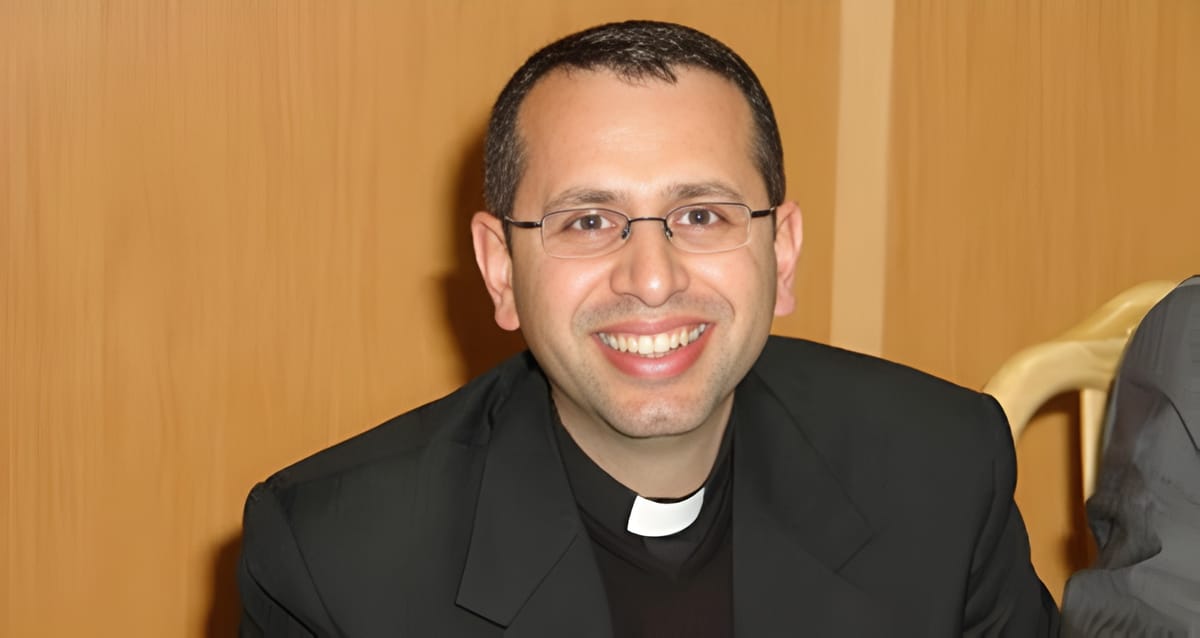
The Chaldean Catholic Church has taken a major formal step in the canonization process for a group of modern-day Iraqi martyrs -
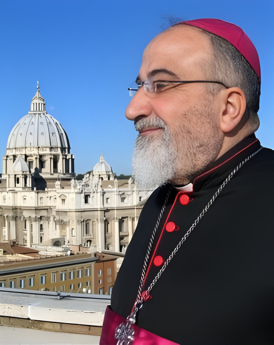
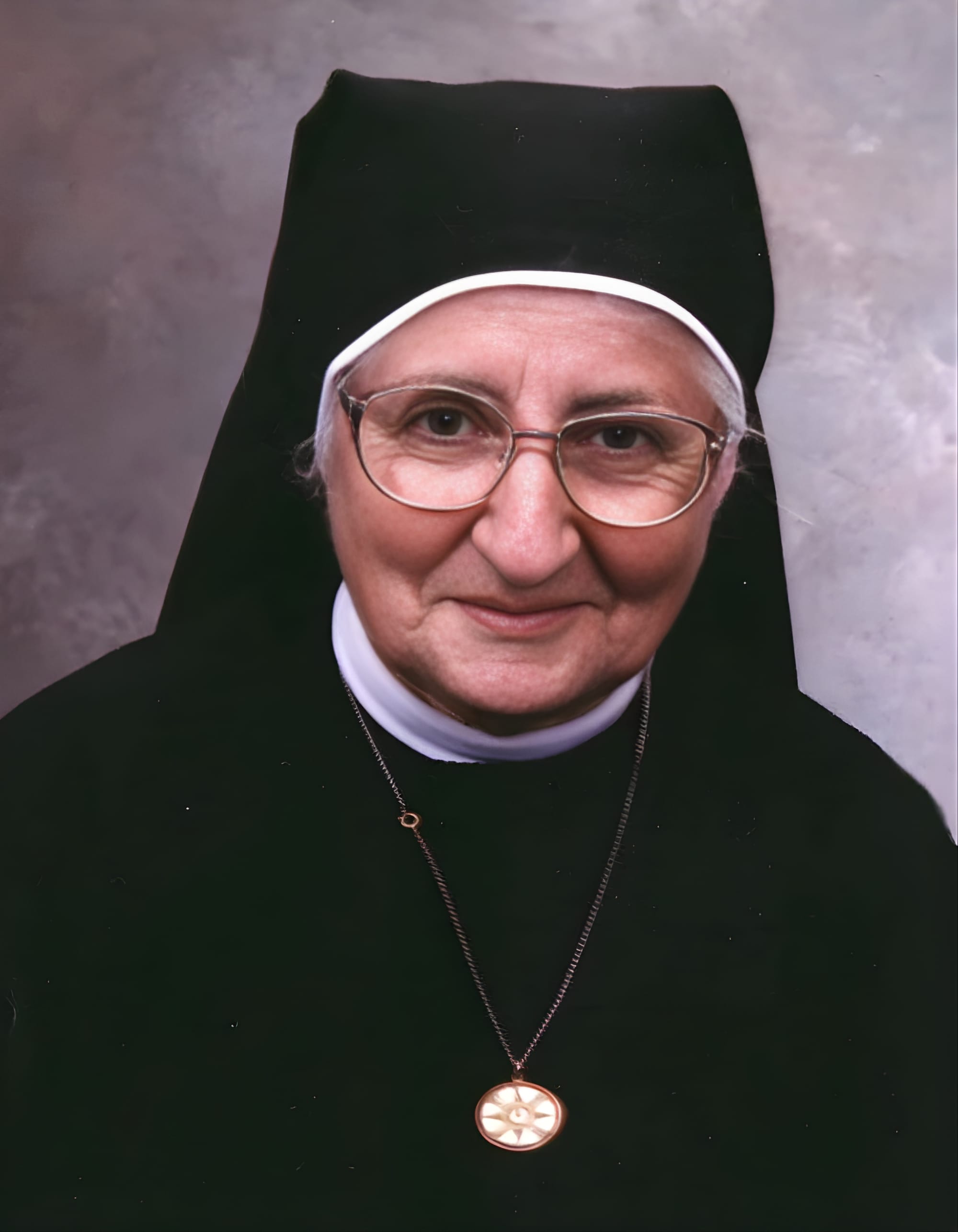
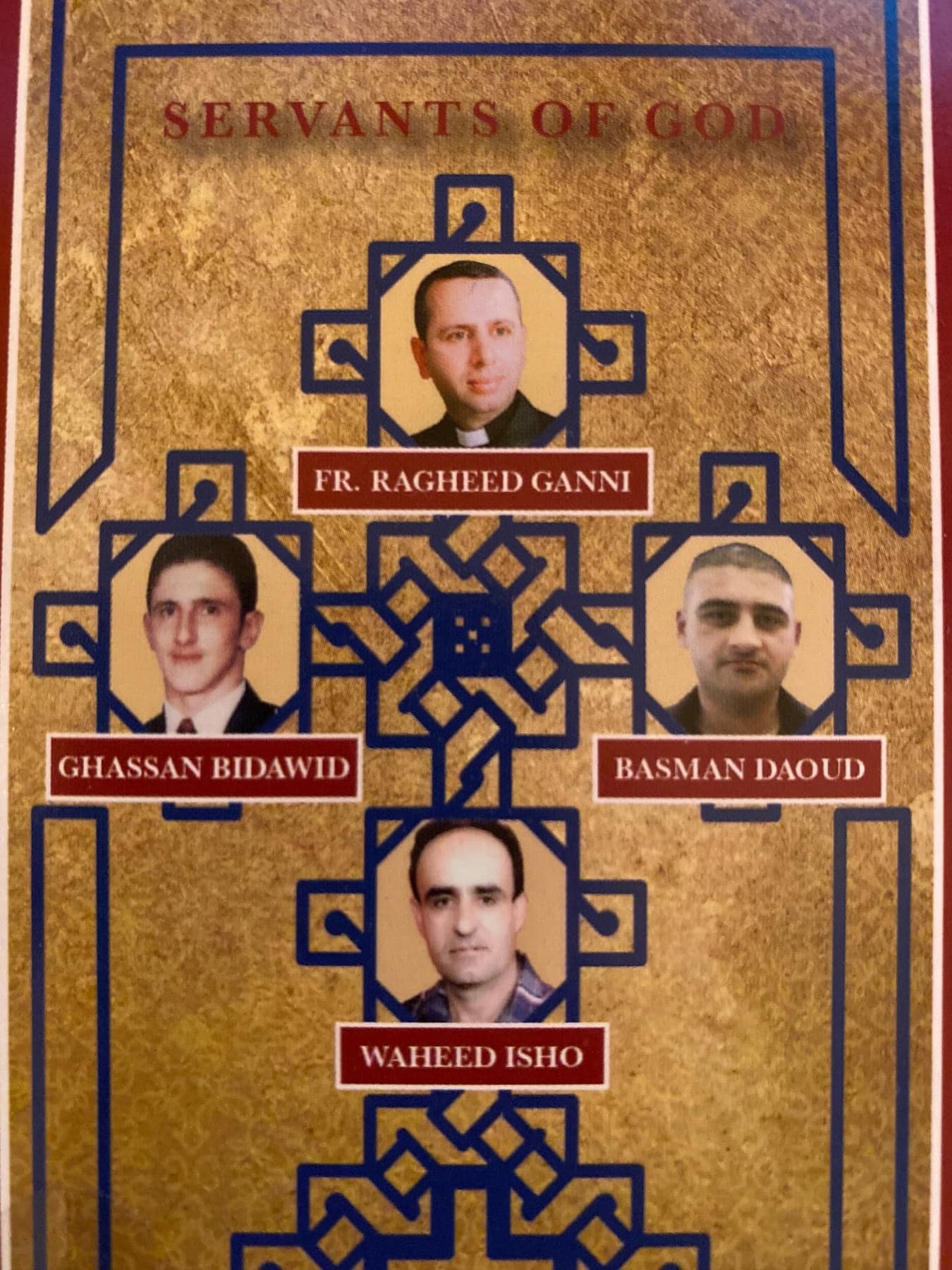
Sister Cecilia Hanna, Bishop Paulus Raho, Father Ragheed Aziz Ganni, and Father Ragheed’s companions Basman Daoud, Wahid Isho, and Gassan Bidawid.
Bishop Francis Kalabat, Eparch of the Chaldean Catholic Eparchy of St. Thomas the Apostle of Detroit (Michigan), signed the conclusion of the eparchial (diocesan) phase of their causes and carried out the formal “Seal of Closure” in the presence of Father Luis Escalante, the Rome-based postulator for the cause.
In canonization cases, the local Church (here, the Chaldean eparchy) gathers testimony and documentation about a candidate’s life, death, and - in martyrdom cases - the circumstances showing the person was killed “in hatred of the faith.” When this local investigation is complete, the Church closes and seals the Acts: one original set is kept in the eparchial archives, and sealed copies are sent to Rome for review. This “sealed Acts” step is an important procedural milestone because it moves the case from local investigation into the Vatican’s formal evaluation process
The martyrs named in the cause include:
- Sister Cecilia Hanna (Congregation of the Sacred Heart of Jesus), martyred in Baghdad on August 15, 2002, at age 71.
- Father Ragheed Aziz Ganni and his companions Basman Daoud, Wahid Isho, and Gassan Bidawid, martyred in Mosul on June 3, 2007, after Sunday Mass at Holy Spirit Church, after refusing demands to abandon the faith.
- Bishop Paulus Raho, kidnapped in Mosul in 2008 and later found dead - an event that shocked Iraqi Christians and drew international attention.
With the eparchial phase concluded, the sealed documentation goes to the Dicastery for the Causes of Saints, which oversees the Vatican-side process for beatification and canonization. From there, the case is reviewed according to the Church’s norms and procedures for martyrdom or heroic virtue.
For many Chaldeans - especially those with roots in Mosul, the Nineveh Plain, Baghdad, and the broader diaspora - this cause is about more than paperwork. It is a formal record that these deaths were not “random violence,” and that the faith of Iraq’s Christians was not something abstract—it was lived publicly, defended under threat, and in these cases, paid for with blood.


