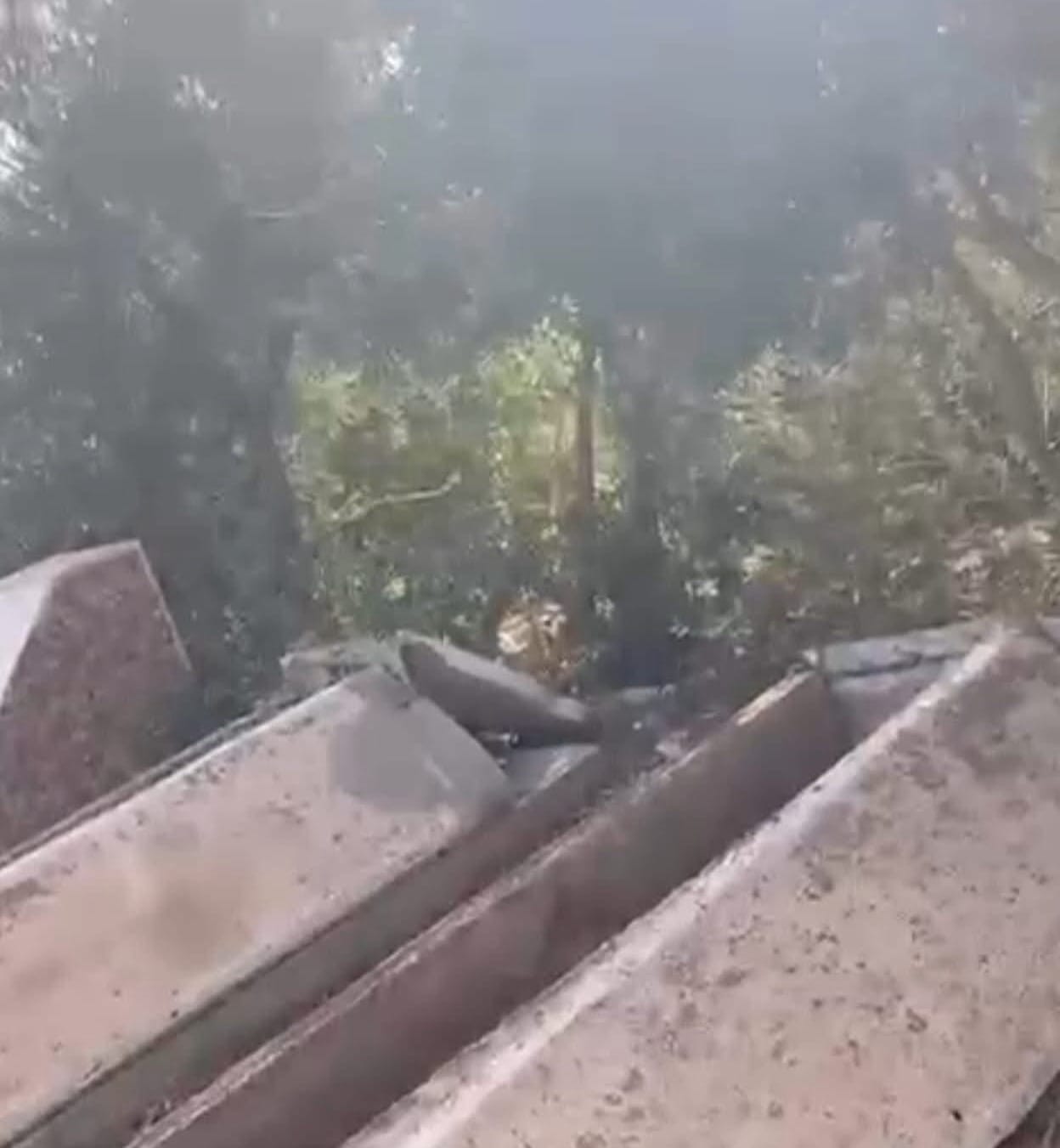
Chaldean Christian Cemetery in Amouda, Koysinjaq (Koya) Attacked Amid Growing Tensions with Kurdish Settlers
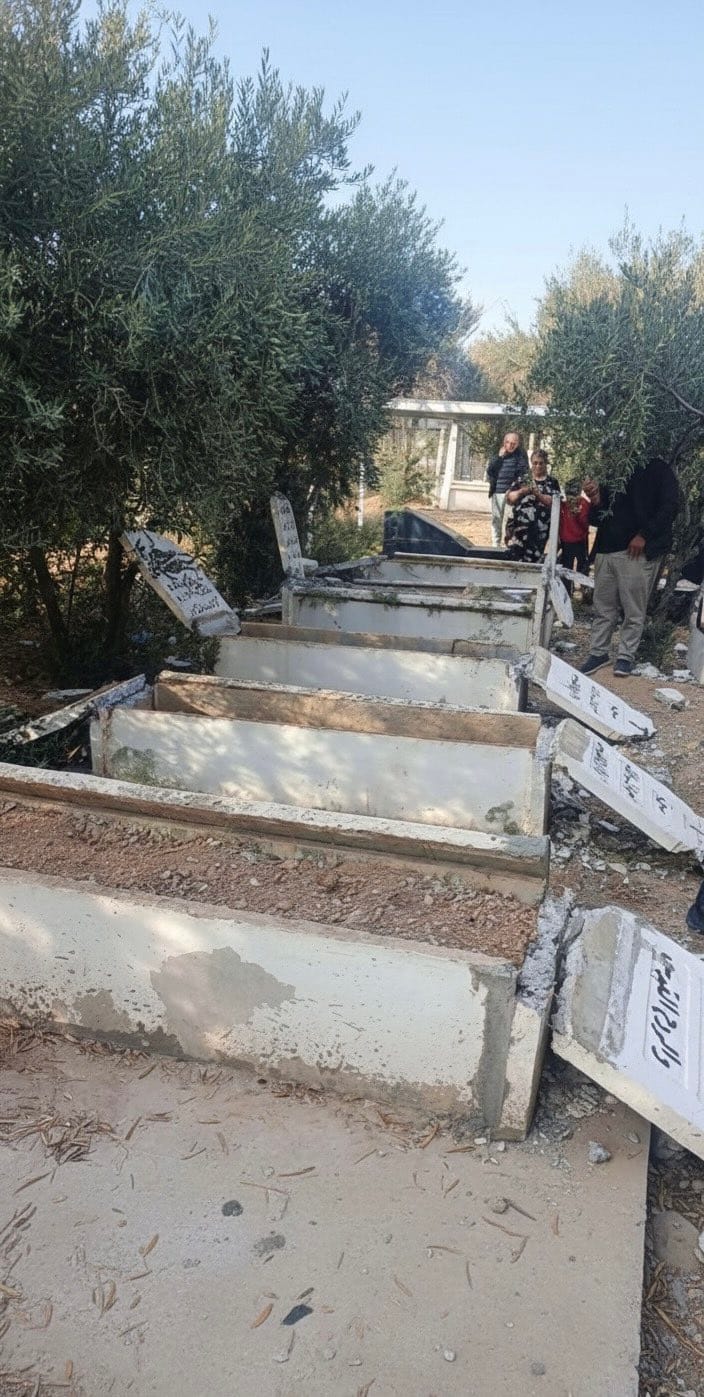
Koysinjaq, Iraqi Kurdistan - December 2025
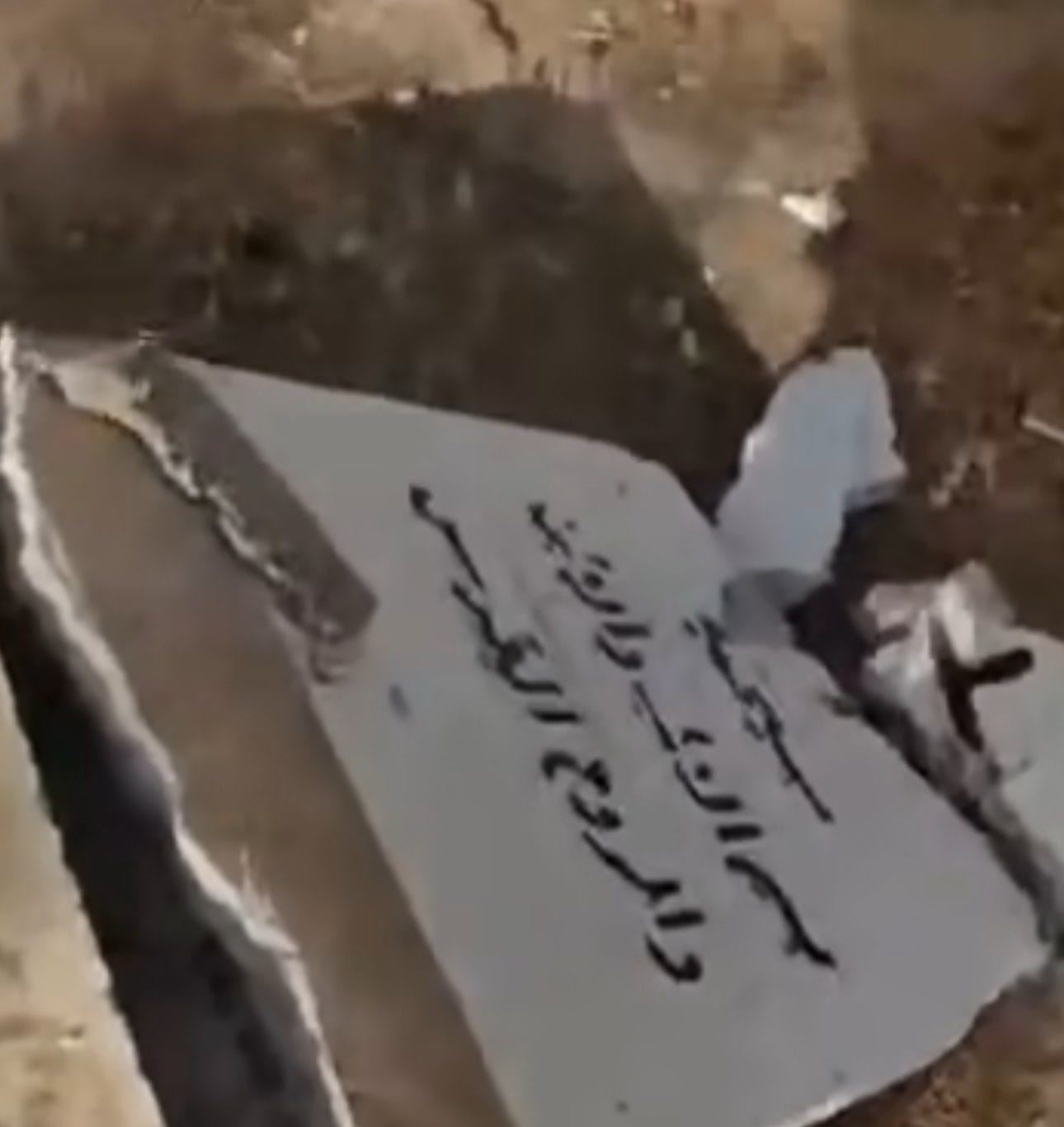
A Chaldean Christian cemetery in the town of Koysinjaq was vandalized this week in a violent attack that left graves destroyed, tombstones shattered, and local families shaken. The assault, condemned by both the Chaldean Patriarchate and the Archdiocese of Erbil, marks another troubling escalation in a series of incidents targeting indigenous Chaldean communities across northern Iraq.
Church Leaders Condemn “Criminal Assault”
In an official statement, Patriarch Cardinal Louis Raphael Sako denounced the attack as “morally and religiously unacceptable,” warning that assaults on Christian heritage sites threaten the security and future of one of Iraq’s oldest native communities.
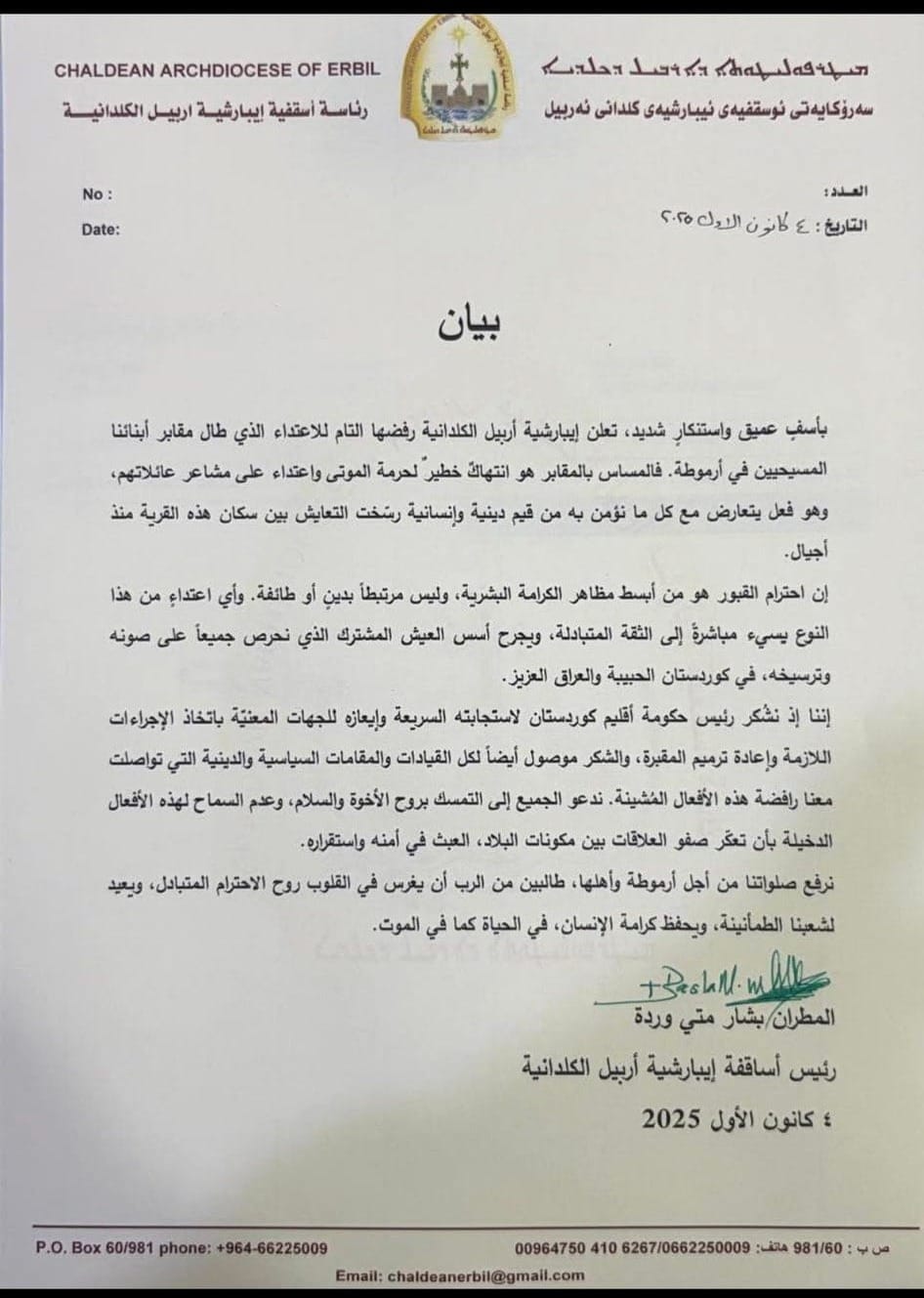
Similarly, Archbishop Bashar Matti Warda of Erbil described the desecration as a violation of basic human dignity, calling on the Kurdistan Regional Government (KRG) to take swift and serious action to identify the perpetrators and prevent future attacks.
Church leaders stressed that Christians have “already paid a heavy price for conflicts they are not part of,” and warned that repeated incidents will accelerate a new wave of Chaldean migration.
Pattern of Incidents Involving Kurdish Settlers
Local sources report that the attack occurred in an area where new Kurdish settlers have become increasingly active. Koysinjaq historically has been inhabited by Chaldeans and other Mesopotamian Christians long before the rise of Kurdish demographics in the region.
Over the past decade, particularly after the fall of Mosul, the ISIS war, and the political fragmentation of Iraq - new waves of Kurdish settlers have moved into traditionally Chaldean towns and villages.
Community leaders say this shift has resulted in:
- Land pressures on indigenous Christian families
- Seizures of agricultural plots and church property
- Harassment of local residents
- Attacks on cemeteries, shrines, and cultural sites
- Attempts to erase or absorb Chaldean historical identity
While the KRG has often promised protections, enforcement on the ground has remained inconsistent, allowing tensions to simmer.
Chaldeans Fear Being “Pushed Out” of Their Ancestral Homeland
For Iraq’s Chaldean population, one of the oldest surviving Christian peoples on earth, the latest attack is not merely vandalism. It is a deeper symbol of identity erosion.
Many Chaldeans fear that demographic pressure and growing Kurdish settlement patterns are effectively pushing them out of areas they have inhabited for thousands of years, long before modern ethnic borders existed.
Even before the cemetery attack, activists pointed to similar events in:
- Ain Kawa (Ankawa) - land encroachment and property pressures
- Alqosh - disputes involving Kurdish security forces
- Sapna and Barwari Bala regions - forced displacement during past Kurdish tribal expansions
- Shekhan, Dohuk, and Zakho districts - demographic replacement and political pressure
The attack in Koysinjaq has revived old fears of marginalization and forced emigration.
Call for Accountability and Protection
Both Patriarch Sako and Archbishop Warda urged the Kurdistan Region to conduct a professional, transparent investigation and prosecute those responsible. They emphasized that Christian communities must feel protected or risk another mass exodus.
“We trust the government to uphold justice,” the Patriarchate said, warning that continued negligence could push Christians to leave their homeland permanently.
A Critical Moment for Iraq’s Indigenous Christians
The Chaldeans, who trace their presence in northern Mesopotamia back thousands of years, remain one of Iraq’s smallest and most vulnerable communities. The cemetery attack comes at a time when they are struggling to rebuild from ISIS, economic collapse, and political fragmentation.
Many within the community fear that unless strong measures are taken, incidents like the Koysinjaq attack will continue, slowly erasing the Chaldean presence from the land where Christianity first took root.