
Chaldean Women Arrested in Baghdad after Celebrating the Death of Iran’s Supreme Leader
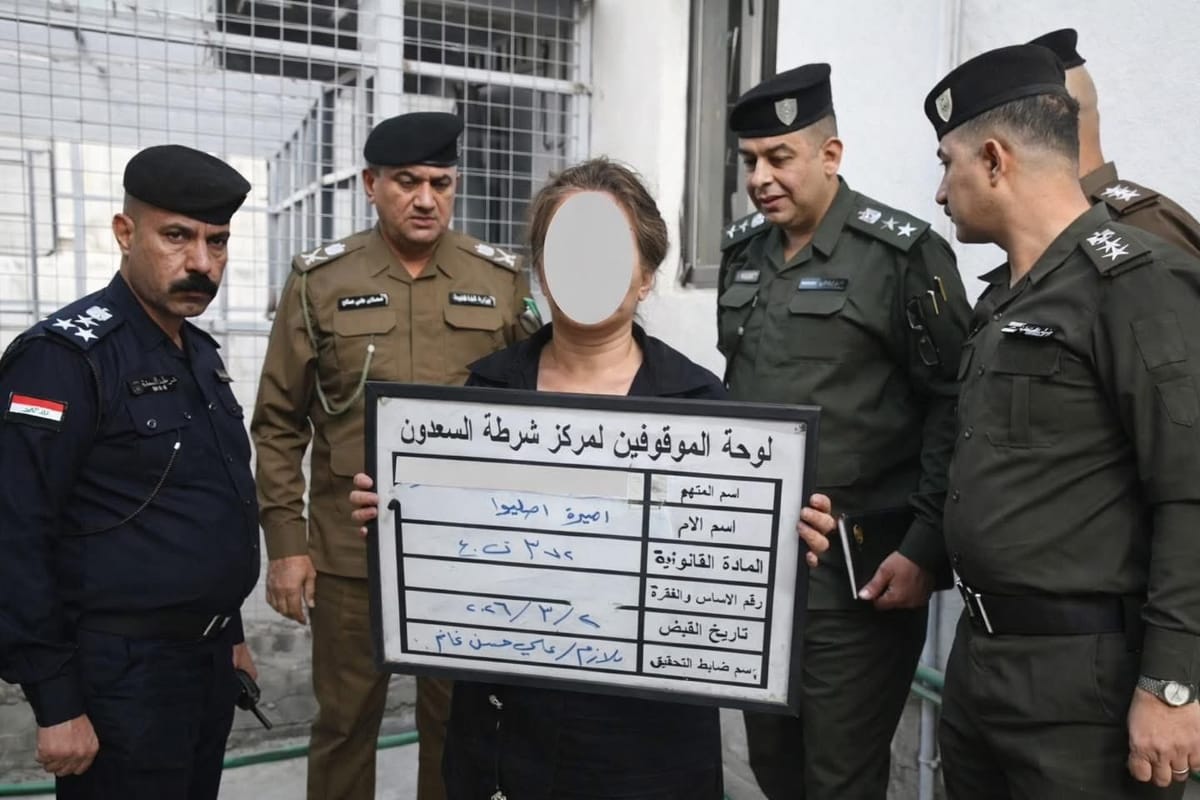
Baghdad Arrest of Iraqi Christian Woman Raises Alarms Over Free Expression and Minority Rights
The arrest of an Iraqi Christian woman in Baghdad after social media posts linked to the death of Iran’s Supreme Leader has stirred outrage among many Iraqis and raised broader questions about free expression, sectarian pressure, and whether minorities receive equal protection under the law. Reports say the death of Ayatollah Ali Khamenei triggered protests, mourning ceremonies, and clashes across parts of the Shiite world, including Iraq, creating an already tense atmosphere in which any public reaction was likely to draw intense attention.
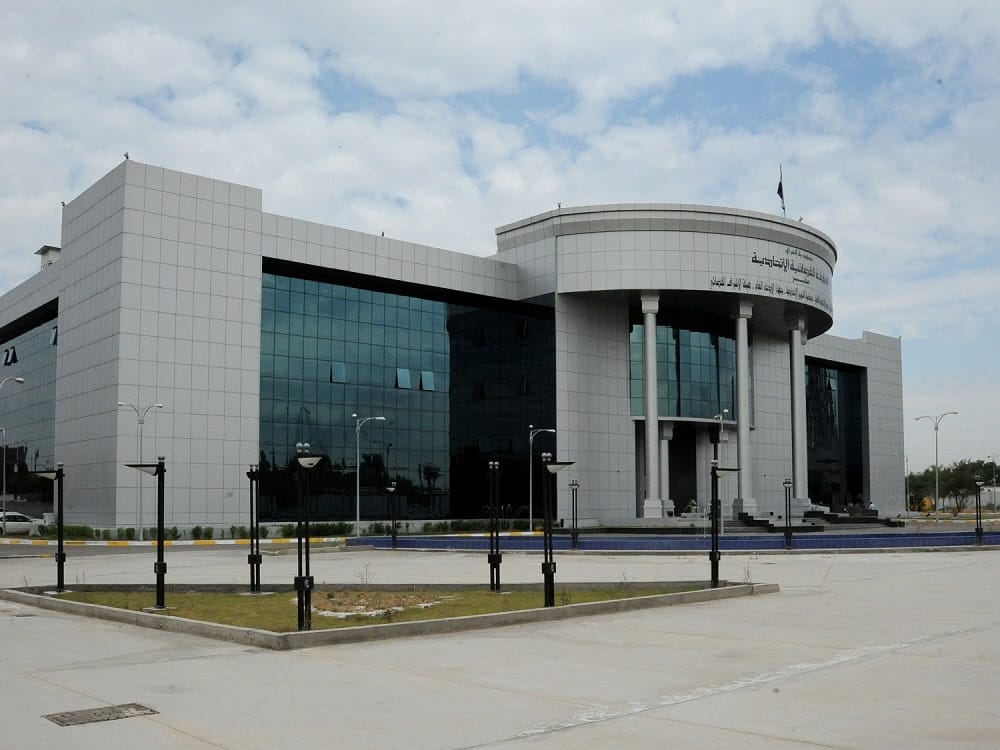
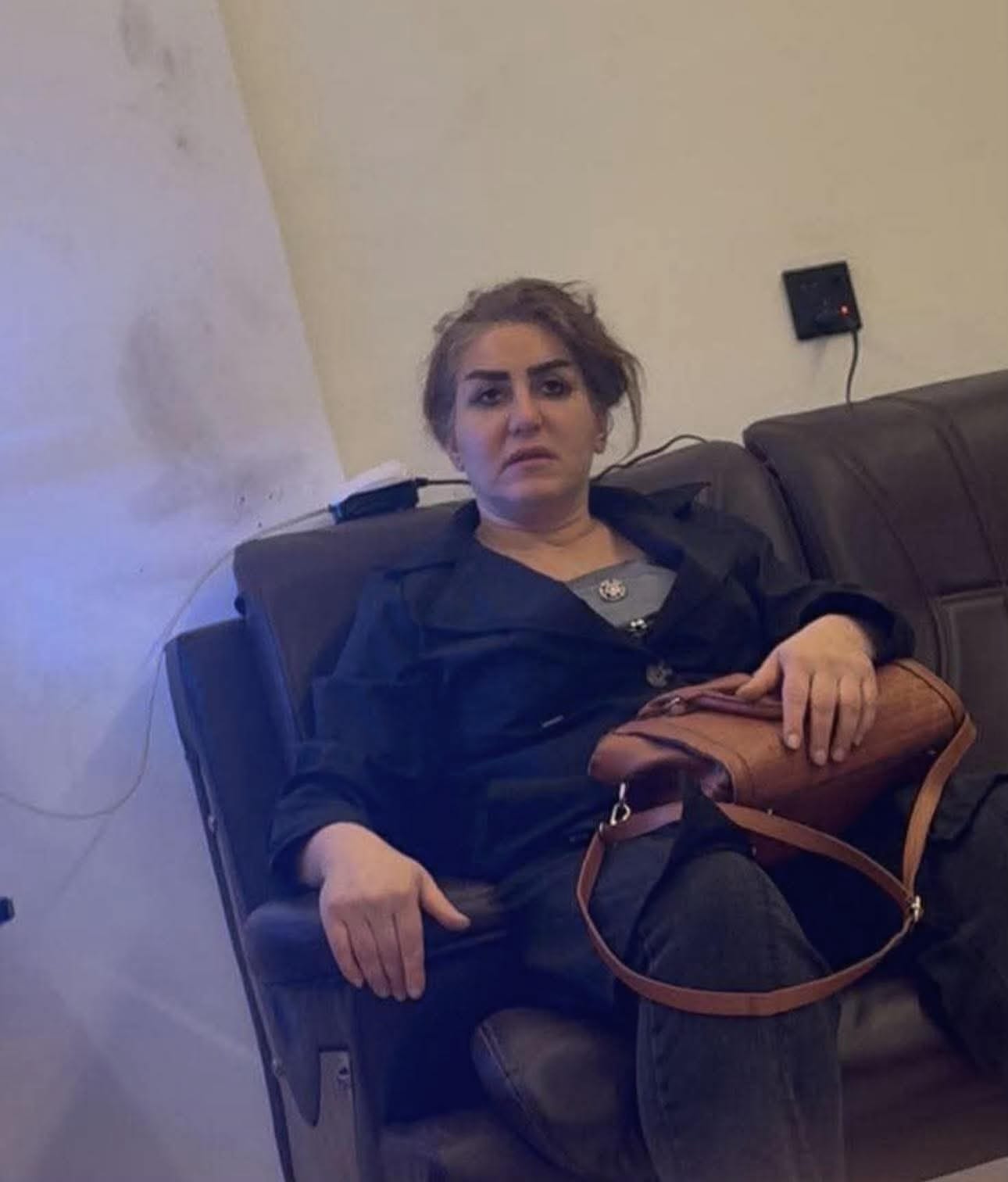
The woman at the center of the case is widely identified on social media and in community discussions as Runa Korkis. However, Iraqi media reports tied to the arrest identify her more formally as Rana Hikma Korkis Shaou. According to local reporting, security forces arrested her on the evening of March 2 in the Saadoun-Bataween area of Baghdad after tracking a circulated video they said contained content insulting religious symbols. She was reportedly detained inside her residence and transferred to Saadoun Police Station so that legal procedures could begin and the case could be referred to the judiciary.
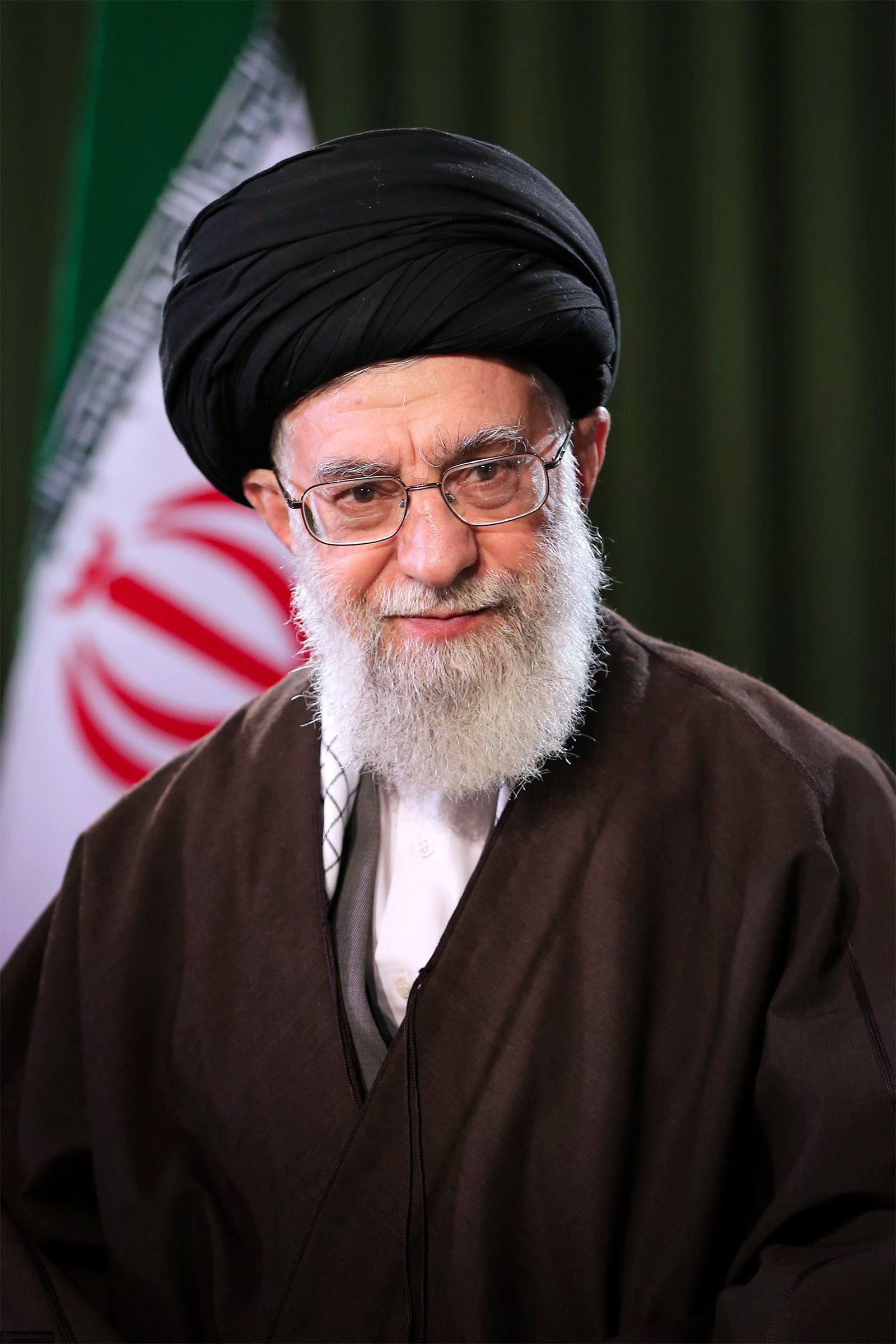
What appears to have triggered the arrest is still not fully laid out in the official-style reporting itself, which refers only to insulting religious symbols on social media. But multiple community and social media accounts allege that Korkis posted material celebrating Khamenei’s death, and some say she distributed sweets or chocolate in celebration. Those details have circulated widely online, though they remain part of the broader public account rather than a fully published judicial record.
The legal danger she faces is serious. Under Iraqi law, publicly insulting a symbol or person revered by a religious sect can carry a sentence of up to three years in prison or a fine. At the same time, Iraq’s constitution also promises equality before the law, protection of liberty and dignity, and freedom of expression within limits tied to public order and morality. That is what makes this case so sensitive. It sits directly at the point where speech, religion, politics, and state power collide.
Allegations of mistreatment in custody have made the case even more explosive. Posts circulating online claim that Korkis was verbally abused, beaten, and otherwise mistreated after her arrest. These claims have fueled anger among many Christians and Chaldeans, especially because they feed into a wider fear that minorities are more vulnerable when cases become politically or religiously charged. At this stage, those abuse claims remain allegations, but they have become a central part of the public reaction.
For many Chaldeans and other Iraqi Christians, the case resonates far beyond one woman and one arrest. It touches on long-standing anxieties about whether minorities can safely speak their minds in Iraq, especially when their views run against dominant religious or political sentiment. Many see the case not simply as a law-and-order matter, but as a test of whether minority Iraqis are truly protected as equal citizens under the law.
The unanswered questions now are the ones that matter most. Has she been formally charged, and if so under which exact legal article? Has she been granted access to a lawyer? Was she medically examined after detention? And will Iraqi authorities safeguard her constitutional rights as seriously as they enforce laws protecting religious symbols? Until those questions are answered more clearly through court proceedings or official disclosures, the case will continue to draw scrutiny from those concerned about free expression, minority rights, and the treatment of Christians in Iraq.
For many Chaldeans, an indigenous Christian people of Iraq, that alone is enough to make this case deeply troubling. They see in it a familiar fear: that in moments of sectarian tension, minority citizens can quickly find themselves exposed, vulnerable, and unsure whether the law will protect them equally or punish them first.


