
Iraq Plans $14.5 Million Restoration of the Ancient City of Ur, Drawing Hope and Mixed Emotions Among Chaldeans
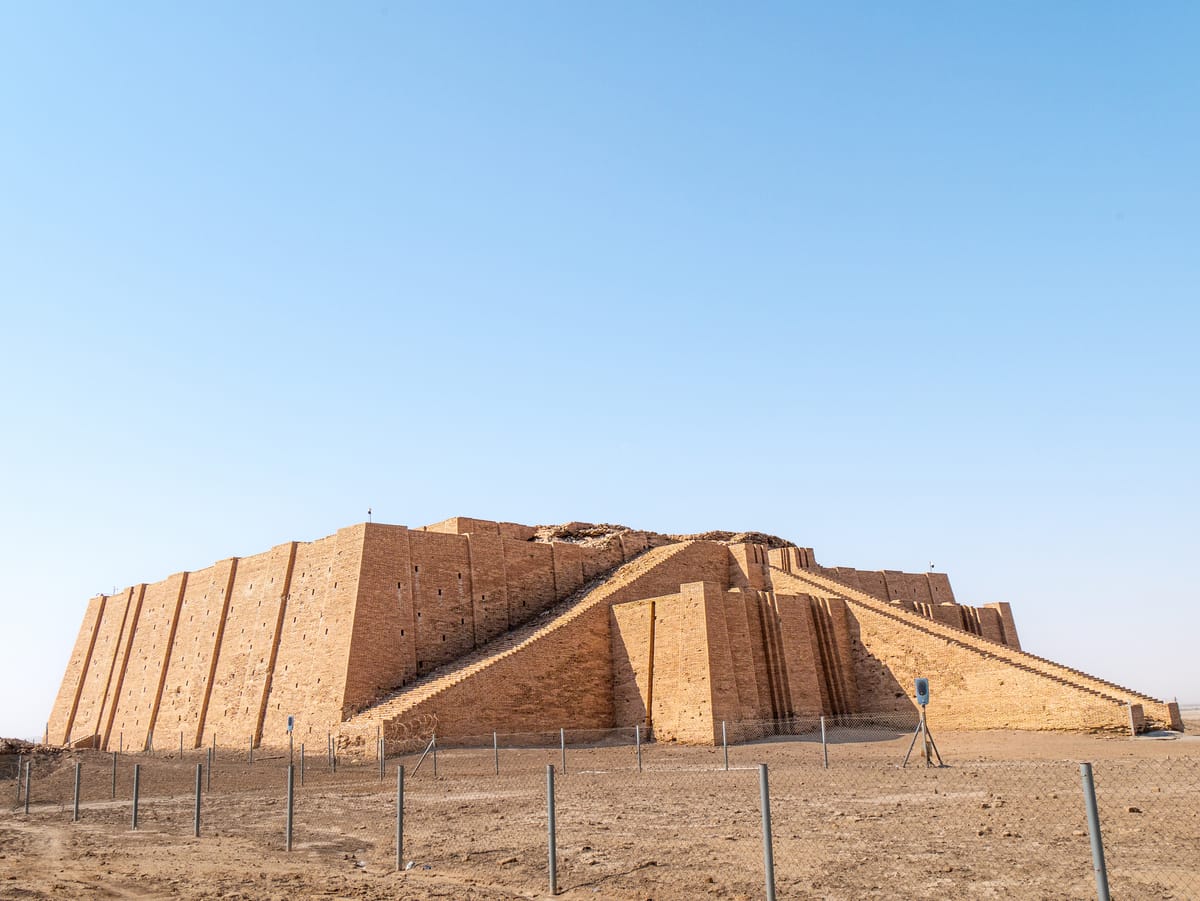
The Iraqi government has announced a $14.5 million restoration project for Ur, one of the oldest known cities in human history and traditionally identified as Ur of the Chaldeans, the homeland of the Biblical Prophet Abraham.
According to Iraqi officials, the initiative aims to protect Ur’s ancient structures from environmental damage, stabilize deteriorating ruins, and promote cultural and religious tourism at one of Mesopotamia’s most significant archaeological sites. The project is expected to include conservation work on major ruins, site infrastructure improvements, and enhanced visitor access.
For Chaldeans, Ur holds more than archaeological value - it is a spiritual and ancestral landmark. Adjacent to the ancient ruins stands the Church of Abraham, a Chaldean Catholic church that serves as a place of prayer and pilgrimage for Chaldeans across Iraq and the diaspora.
In December 2025, Chaldean pilgrims traveled to Ur as part of a religious pilgrimage organized by the Chaldean Patriarchate, celebrating Mass at the Church of Abraham. The pilgrimage underscored the enduring connection between Chaldeans and the land of their forefathers, linking living faith with ancient history.
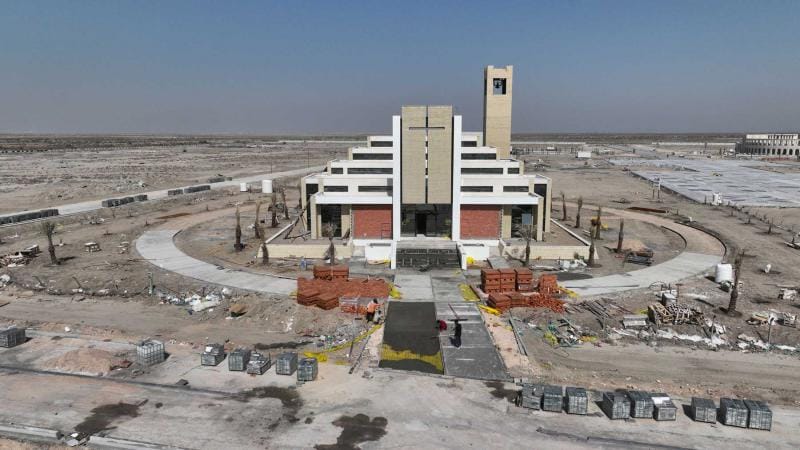
Yet the restoration announcement has also stirred mixed emotions within the Chaldean community. While many welcome efforts to preserve Ur, recognizing its global and biblical significance, others express concern that monument-focused investments contrast sharply with the reality faced by Chaldean towns and villages in northern Iraq, many of which remain destroyed, depopulated, or neglected after years of conflict and displacement.
Community voices have asked whether Iraq’s heritage strategy can balance world-famous sites with the living indigenous communities that have safeguarded these lands for millennia. “Preserving Ur is important,” some say, “but so is rebuilding the villages where Chaldeans actually live.”
As Iraq moves forward with restoring Ur, the project has become a symbol of a broader question: Can the protection of ancient heritage go hand in hand with justice, reconstruction, and dignity for the people whose history that heritage represents?
For many Chaldeans, the hope remains that honoring Ur’s past will also lead to meaningful investment in the present (and future) of Iraq’s indigenous Christian communities.


