
OPINION: Why Maliki’s Political Comeback Raises Red Flags for Iraq’s Christians
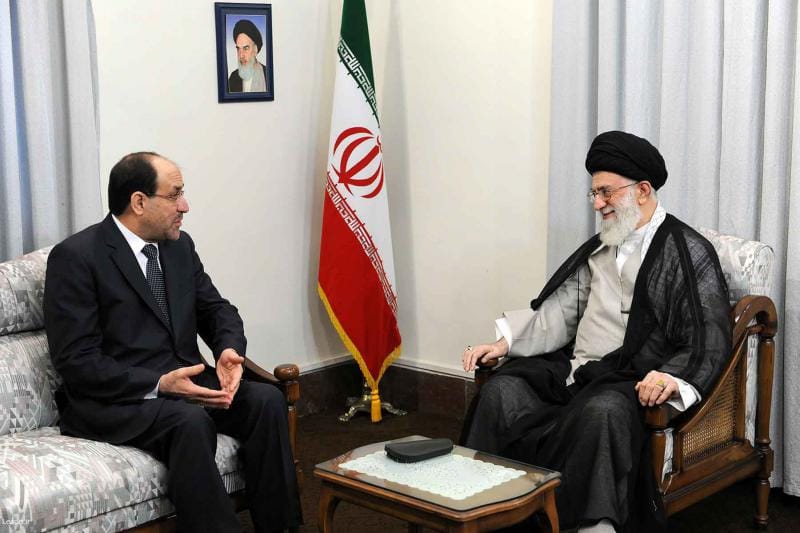
The reemergence of Nouri al-Maliki as a serious political force has sparked growing concern among Iraq’s Christian communities, including Chaldeans. For many, Maliki’s name is inseparable from one of the most destabilizing periods in modern Iraqi history.
During Maliki’s tenure as prime minister, Iraq experienced deepening sectarian polarization, the systematic marginalization of minorities, and the collapse of national institutions meant to protect vulnerable populations. Christian communities saw accelerated emigration, unchecked militia activity, and a steady erosion of trust in the state’s ability, or willingness, to defend them.
Most critically, Maliki’s policies and consolidation of power are widely viewed as contributing factors to the security vacuum that preceded ISIS’s rise. While Christians were not the only victims of that era, they paid a uniquely high price: mass displacement from the Nineveh Plain, destroyed churches, confiscated property, and a demographic collapse that continues to this day.
A potential Maliki comeback raises uncomfortable questions. Would a return to power revive the same centralized, sectarian governance model that failed minorities before? Would militias once again operate with impunity while indigenous Christians are told to be patient - or silent?
For Iraq’s Christians, this is not abstract politics. It is lived memory. Stability, equal citizenship, and genuine protection under the law are non-negotiable after decades of loss. Any political future that ignores these realities is not a step forward—it is a warning sign.
Chaldean Press will continue to monitor developments closely and amplify the voices of Iraq’s indigenous Christians, whose future remains tied to whether Iraq chooses accountability over repetition.


