
United States Withdraws All Forces from Iraq
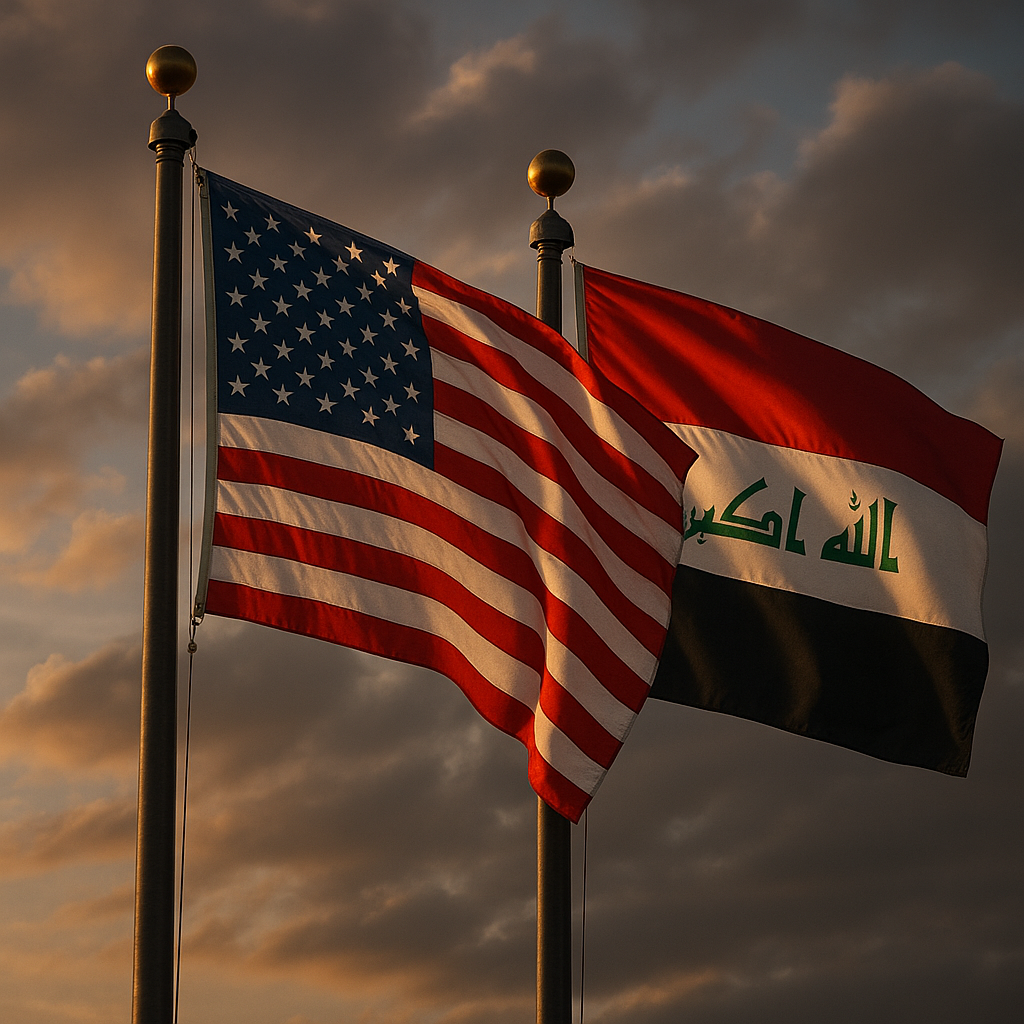
The United States has announced the withdrawal of all remaining U.S. military forces from Iraq, marking a major turning point in the American presence that began with the 2003 invasion.
According to official statements and regional reporting, the withdrawal includes U.S. personnel stationed across Iraq in advisory and support roles. The move comes amid escalating regional tensions, persistent militia activity, and renewed security concerns affecting U.S. assets and personnel.
The departure of U.S. forces effectively ends more than two decades of direct American military involvement in Iraq. While U.S. officials have emphasized that diplomatic engagement and regional partnerships will continue, the withdrawal raises serious questions about Iraq’s long-term security and stability.
For Iraq’s indigenous communities - including Chaldeans, Syriacs, Assyrians, and other Christians - the announcement has sparked deep concern. Past withdrawals and drawdowns have historically been followed by power vacuums, militia expansion, and increased pressure on minority populations, particularly in northern Iraq and disputed territories.
Community leaders and observers warn that without meaningful international oversight or security guarantees, vulnerable communities may once again be left exposed to intimidation, land seizures, and targeted violence. Many Christians displaced by ISIS have yet to safely return to their ancestral towns, and fears persist that renewed instability could permanently erase remaining Christian presence in Iraq.
Iraqi officials have stated that national security forces are prepared to maintain stability, though critics argue that armed militias and foreign-backed groups continue to exert influence beyond the control of the central government.
Chaldean Press will continue monitoring developments and reporting on the implications of the U.S. withdrawal, particularly as they affect Iraq’s indigenous Christian communities and the broader future of the country.


